
← Back to Birds Eye Blue Loyalty Shopping Guides
Lighting New York: Designer Lighting for Refined Homes and Outdoor Spaces
Lighting can shape how a room feels, how its architecture is perceived, and how comfortably the space functions throughout the day. A carefully selected chandelier, wall sconce, ceiling fixture, lamp, or outdoor light can become both a practical element and a defining part of the design.
Lighting New York offers collections across residential and outdoor categories, including living-room, bedroom, office, ceiling, wall, decorative, and exterior lighting. The breadth of the assortment makes it possible to approach lighting as part of a complete room rather than as an isolated fixture.
This Birds Eye Blue Loyalty Shopping Guide explores how to select lighting by room, function, scale, finish, and atmosphere, while also presenting three distinctive examples ranging from a statement chandelier to luxury and modern wall lighting.
Affiliate disclosure: Birds Eye Blue may earn a commission from qualifying purchases made through links on this page, at no additional cost to you.
Before purchasing lighting
Confirm the fixture dimensions, canopy or mounting-plate size, total hanging height, bulb type, wattage, dimming compatibility, electrical requirements, finish, weight, included hardware, installation instructions, and return terms.
Product availability, prices, promotions, finishes, specifications, shipping terms, and included components may change. Review the current merchant page before ordering.

Lighting as Part of the Interior Design
The most successful lighting plans usually combine several layers rather than relying on one bright fixture in the center of the room.
- Ambient lighting provides the room’s general illumination.
- Task lighting supports reading, work, cooking, dressing, or other activities.
- Accent lighting highlights art, architecture, shelving, or decorative objects.
- Decorative lighting contributes visible form, material, and character.
A statement chandelier may anchor the room visually, while wall sconces, table lamps, recessed fixtures, or picture lights create depth and support specific uses. The objective is not simply to add more light, but to place the right type of light where it is needed.
Explore Lighting by Room
Living Room Lighting
Living rooms often serve several purposes: conversation, reading, television, entertaining, and quiet relaxation. A flexible lighting plan may combine a central ceiling fixture with floor lamps, table lamps, and decorative wall lighting.
Use the principal fixture to establish the room’s visual direction, then add secondary sources at different heights. This prevents the space from feeling flat and allows the lighting to change according to the occasion.
Bedroom Lighting
Bedroom lighting should support both calm evening use and practical tasks such as dressing, reading, and organizing the room. A soft central fixture can be paired with bedside sconces, table lamps, or directional reading lights.
Consider dimming capability, glare control, fixture placement relative to the bed, and whether bedside surfaces should remain clear. Wall-mounted lighting can be especially useful where nightstand space is limited.
Office and Workspace Lighting
A home office or executive workspace benefits from balanced illumination that reduces harsh contrast between the computer screen, desktop, and surrounding room.
Combine general ceiling light with focused task lighting, and position fixtures so that they do not create reflections on screens or cast strong shadows over the working surface.
Outdoor Lighting
Outdoor lighting can improve visibility, guide movement, highlight landscaping, and extend the use of patios, terraces, porches, and garden areas after sunset.
A complete exterior plan may include entry fixtures, wall lanterns, path lights, step lighting, landscape accents, and softer illumination around seating or dining areas.
Select fixtures rated for the precise exposure involved. A covered porch and an uncovered coastal or poolside location may require different wet-location, finish, and corrosion considerations.

Selected Lighting New York Finds
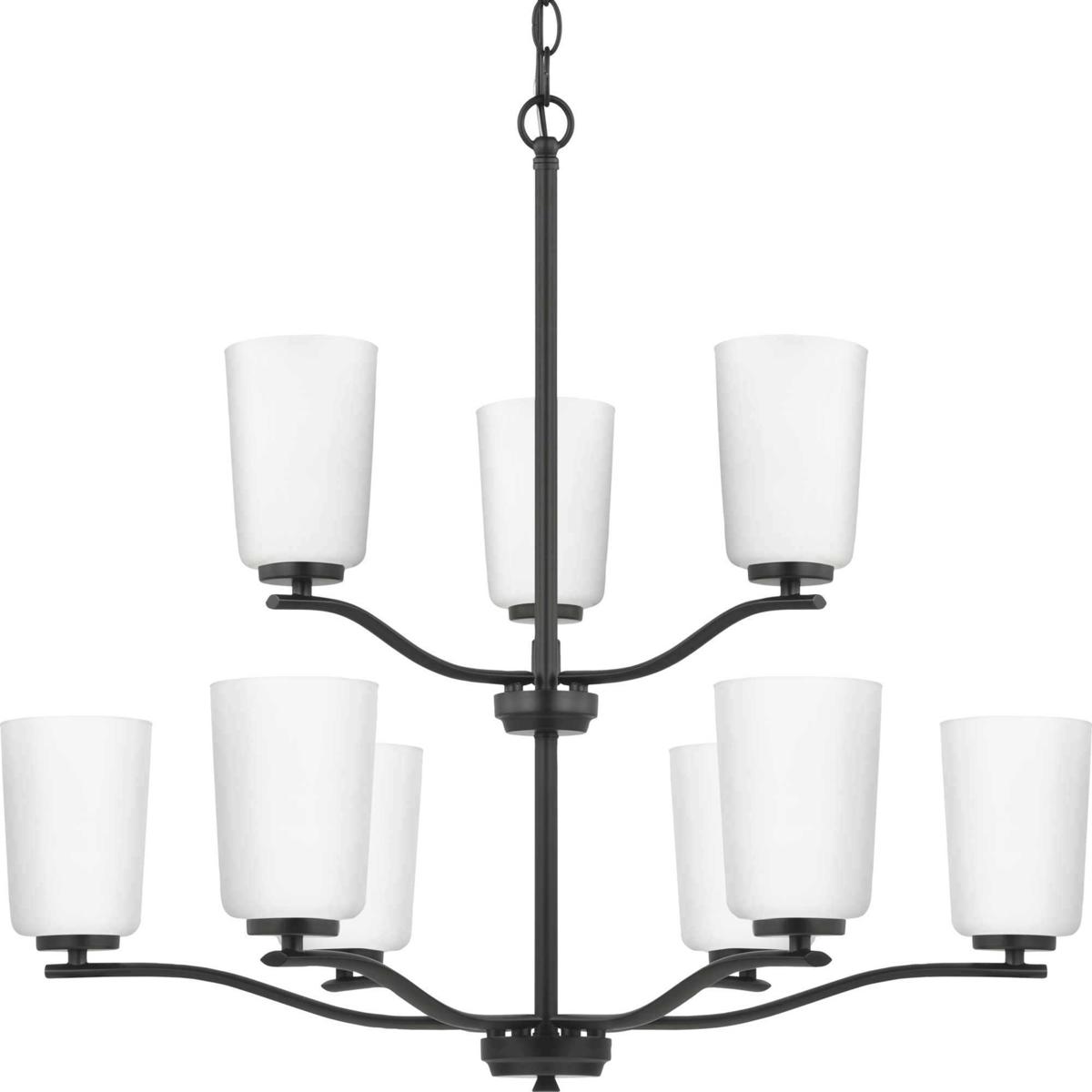
Progress Adley Nine-Light Chandelier
A structured matte-black chandelier for dining rooms, foyers, and larger gathering spaces.
The Adley chandelier uses a multi-arm composition that gives the fixture visual presence without relying on heavily ornamented materials. Its darker finish can provide contrast in lighter interiors and coordinate with black hardware, window frames, furniture details, or architectural elements.
Best for: Dining rooms, large kitchen islands, foyers, living areas with higher ceilings, and modern or transitional interiors.
Why we selected it: It illustrates how a chandelier can establish the center of a room and provide a strong visual framework around which the remaining furnishings are arranged.
Planning reminder: Confirm the fixture diameter, total adjustable height, ceiling-box capacity, bulb requirements, sightlines, and clearance above tables or walking areas.
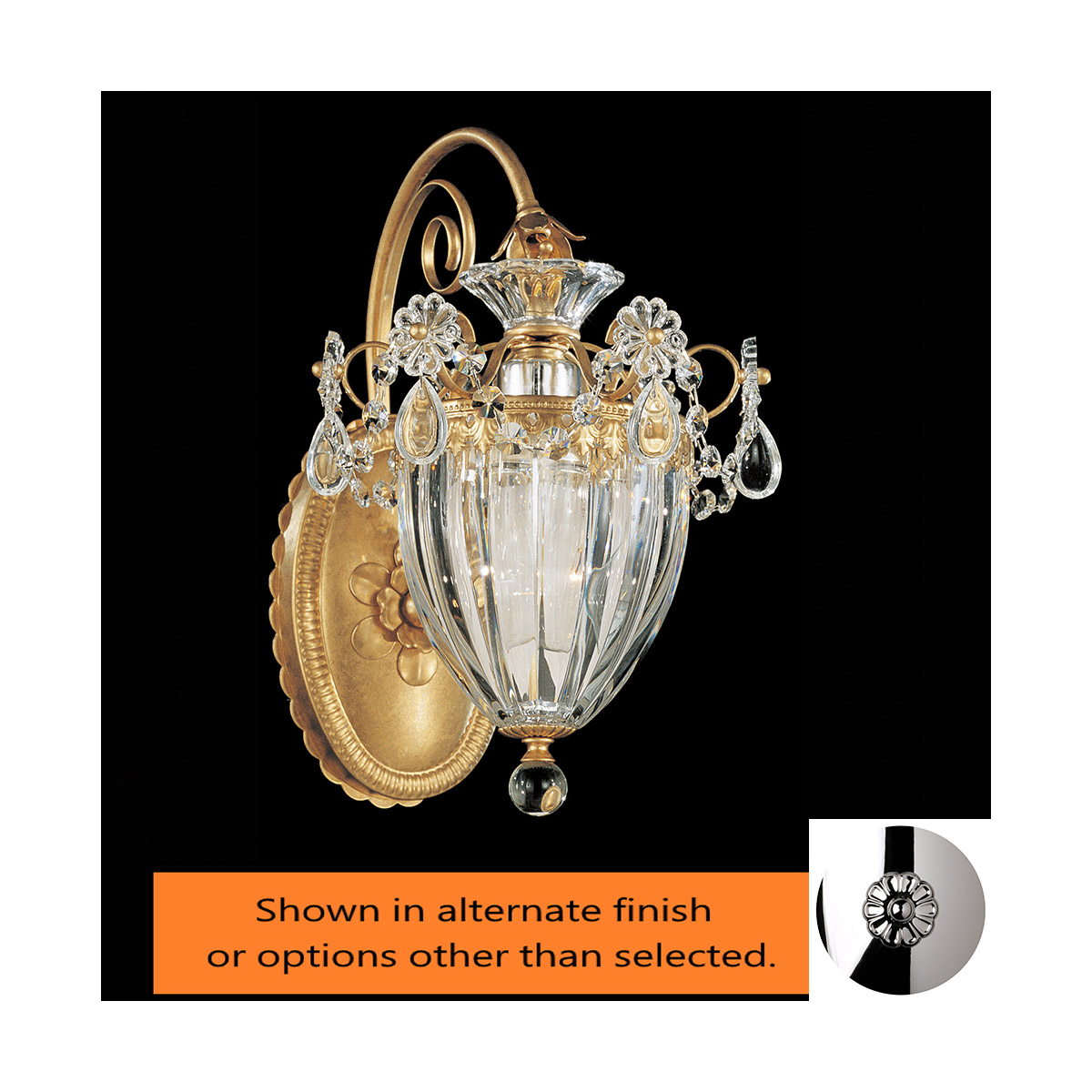
Schonbek Bagatelle Decorative Wall Sconce
A jewel-like wall fixture for formal rooms, dressing areas, hallways, and highly decorative interiors.
The Bagatelle wall sconce represents lighting used as ornament as well as illumination. Its polished finish and decorative crystal treatment can create a focal point even when the fixture is not switched on.
Best for: Formal living rooms, primary suites, dressing rooms, powder rooms, entry halls, and interiors where lighting is intended to function like decorative jewelry.
Why we selected it: It shows the premium end of decorative wall lighting and provides a contrast to simpler architectural or utility-focused sconces.
Design idea: Use one fixture on either side of a mirror, artwork, console, fireplace, or architectural opening to create symmetry and a more complete composition.
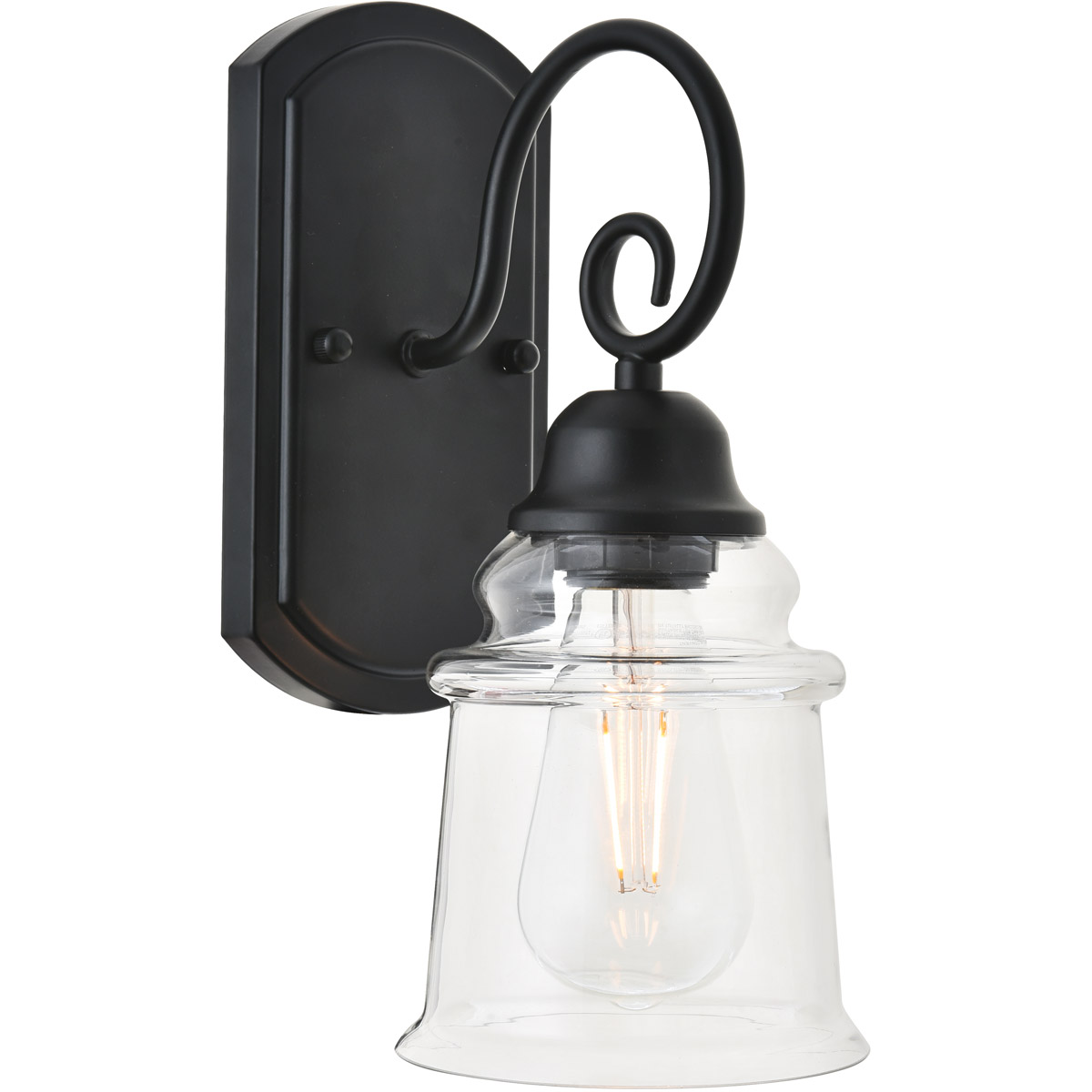
Living District Spire One-Light Wall Sconce
A compact black wall light for modern, transitional, industrial, or casual interiors.
The Spire sconce presents a more restrained alternative to highly decorative wall lighting. Its dark finish and compact form can coordinate with black hardware, simple architectural lines, and mixed-material interiors.
Best for: Hallways, bathrooms, bedrooms, reading areas, stair landings, entry spaces, and smaller rooms where a compact fixture is more appropriate.
Why we selected it: It demonstrates that a wall fixture can contribute design character without becoming the dominant feature in the room.
Planning reminder: Check the projection from the wall, mounting height, bulb visibility, nearby door clearances, and whether the fixture will be used individually or as a pair.
How to Choose the Right Fixture Scale
Lighting that is too small can appear disconnected from the room, while a fixture that is too large can interfere with movement, furniture, sightlines, or the surrounding architecture.
For dining tables
Consider the table’s width and length, the room dimensions, the fixture’s lowest point, and the sightline between seated guests. A long table may benefit from one elongated fixture or a coordinated group rather than a small central pendant.
For foyers and open stair halls
Review the complete hanging height from every floor level. The fixture should feel substantial without obstructing doors, upper-level views, or circulation.
For wall sconces
Consider the fixture’s height, width, and projection from the wall. Positioning should relate to nearby mirrors, artwork, furniture, architectural trim, and the eye level of people using the space.
For outdoor fixtures
Exterior lighting should be sized in relation to the door, wall, column, or architectural surface rather than selected only from a close product image.
Choosing Finishes and Materials
Lighting does not need to match every metal finish in the room exactly. A more considered approach is to repeat or coordinate finishes across several visible elements.
- Matte black can provide contrast and architectural definition.
- Polished nickel and silver finishes can feel formal and reflective.
- Brass and gold tones can add warmth.
- Bronze finishes often suit transitional, traditional, and outdoor settings.
- Glass and crystal can introduce lightness, sparkle, and visual detail.
- Natural and textile materials can soften a room and support a relaxed atmosphere.
Review the finish in relation to daylight, wall color, hardware, furniture, and nearby reflective surfaces. Online photography can look different from the material under actual room lighting.
Brightness, Bulbs, and Dimming
Fixture appearance is only one part of the decision. The room’s performance also depends on the bulbs, light output, color temperature, beam direction, and dimming system.
- Confirm the supported bulb base and maximum wattage.
- Check whether bulbs are included.
- Review LED compatibility and whether the LED source is replaceable.
- Verify dimmer compatibility before installation.
- Choose a color temperature suited to the room and intended atmosphere.
- Use higher color-rendering quality where fabrics, finishes, art, or food presentation matter.
In larger rooms, several moderate light sources often create a more comfortable environment than one extremely bright overhead fixture.
Installation reminder: Hardwired lighting should be installed in accordance with the manufacturer’s instructions and applicable electrical requirements. Confirm ceiling-box support and use a qualified electrician where appropriate, particularly for heavy, high, exterior, or complex fixtures.
Lighting as a Premium Gift or Property Upgrade
Lighting may be considered for weddings, housewarmings, renovations, second homes, hospitality spaces, offices, executive areas, and other milestone property projects.
Because fixture size, finish, mounting, and electrical requirements are highly specific, lighting is usually best selected with the recipient or property owner rather than purchased as a surprise.
For organizational or professional settings, lighting upgrades may support:
- executive offices and meeting rooms;
- reception and client-facing spaces;
- hospitality, club, or membership facilities;
- employee wellness and gathering areas;
- corporate apartments and guest accommodations;
- recognition or renovation projects tied to major milestones.
A More Refined Lighting Plan
The most effective lighting choices connect visual design with everyday use. Begin with the room’s activities, architecture, furniture arrangement, and natural light. Then choose fixtures that support those needs while contributing to the overall character of the space.
Lighting New York provides a broad starting point for comparing room categories, fixture types, finishes, scales, and decorative approaches within one merchant collection.
Product information is provided for general editorial guidance. Product names, designs, prices, promotions, finishes, dimensions, specifications, inventory, shipping terms, installation requirements, warranties, and return policies are controlled by Lighting New York and the applicable manufacturer and may change without notice. Birds Eye Blue is not the seller, manufacturer, electrician, installer, or service provider for the featured products.